
Grounding Skills to Try Outside on a Beautiful Day
When anxiety starts to rise, one of the most effective ways to calm your mind and body is to reconnect with the present moment. And when the weather is nice, stepping outside can make grounding even more powerful and enjoyable. Nature provides built-in sensory experiences - sunlight, fresh air, sounds, and textures - that naturally support relaxation and emotional regulation.
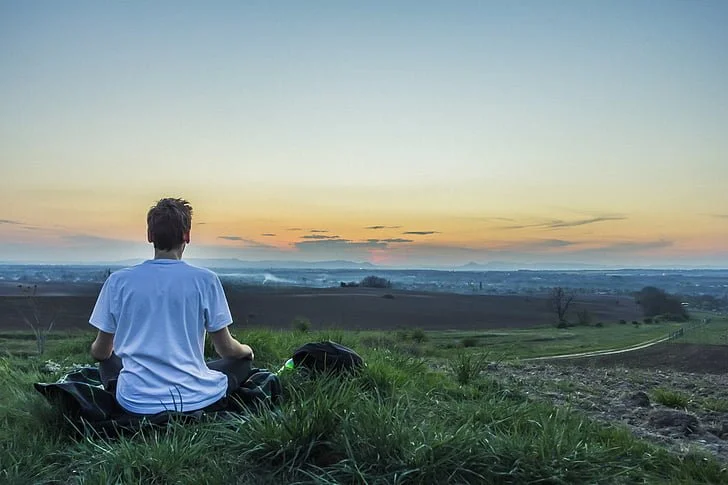
Man sitting on hill looking out onto a city at sunrise.
Here are several simple, therapist-approved grounding skills you can practice outdoors:
1. The 5-4-3-2-1 Sensory Exercise
This classic grounding technique becomes even more impactful outside.
5 things you can see: trees, clouds, flowers, people passing by, bees buzzing around
4 things you can feel: the breeze, grass under your toes, sunlight on your skin, or the crunch of pebbles under your shoes
3 things you can hear: birds, wind, distant voices
2 things you can smell: fresh air, blooming flowers
1 thing you can taste: even just noticing your breath counts
This exercise helps shift your focus away from anxious thoughts and back into your body.
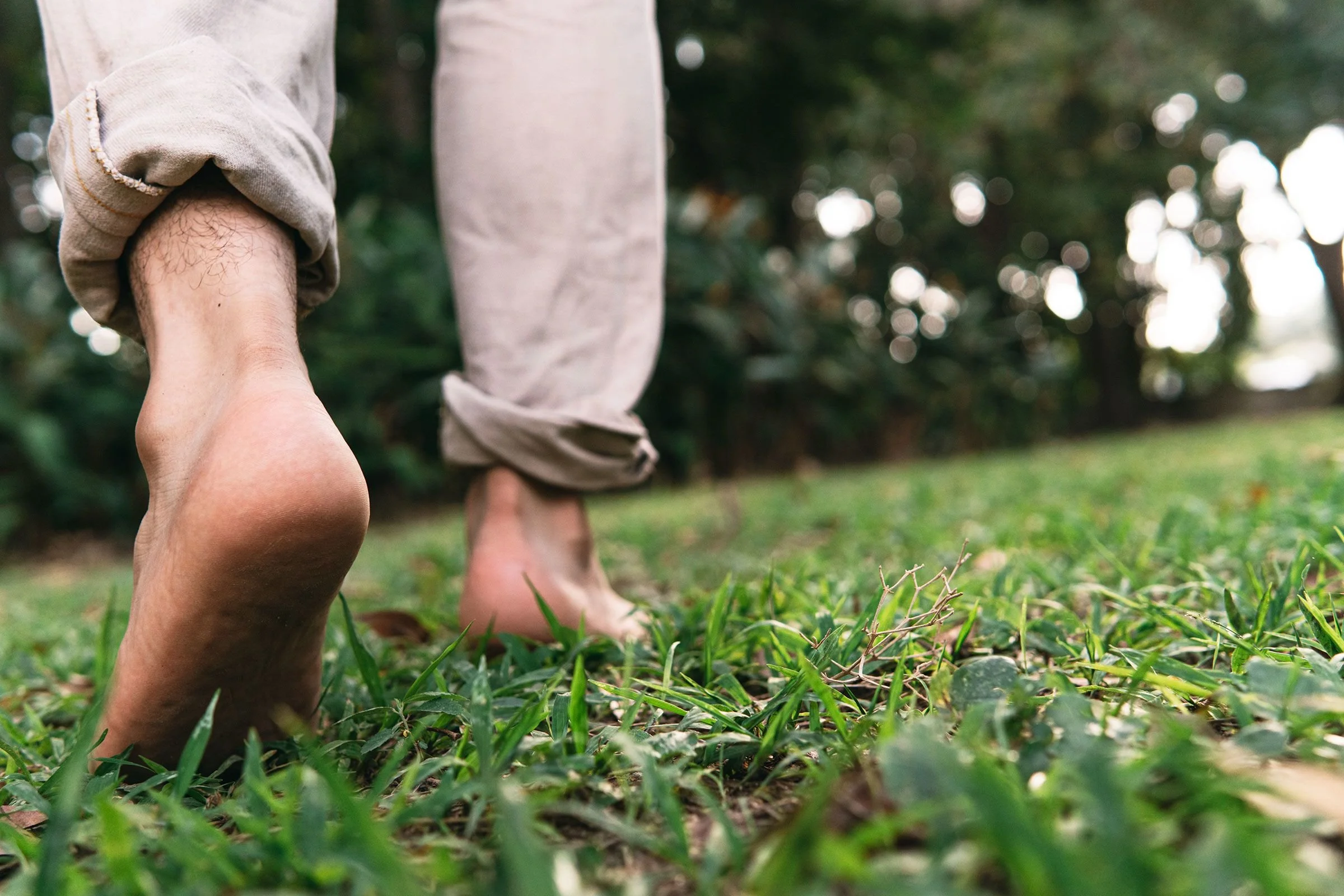
Person walking barefoot in grass.
2. Barefoot Grounding
If you feel comfortable, take off your shoes and stand or walk barefoot on grass, sand, or soil. Notice the textures beneath your feet - the coolness, softness, or unevenness. This physical connection to the earth can be surprisingly calming and helps anchor you in the present moment.
3. Mindful Walking
Instead of rushing, slow your pace and walk intentionally. Pay attention to:
The rhythm of your steps
How your arms swing
The way your feet contact the ground
You can even count your steps or match them to your breathing. This transforms an ordinary walk into a calming, meditative experience.

Person laying on the grass looking up at the sky.
4. Sky Gazing
Lie down or sit comfortably and look up at the sky. Watch the clouds move or notice the changing colors during sunset. Let your thoughts come and go like the clouds - without trying to control them. This practice can help create mental space and reduce overthinking.
5. Nature Scavenger Hunt
Turn grounding into something playful. Challenge yourself to find:
Something green
Something that moves
Something textured
Something that makes a sound
This is especially helpful for kids or anyone who struggles with traditional mindfulness exercises. It gently redirects attention outward instead of inward.
6. Breathing with Nature
Sit quietly and take slow, deep breaths. Try syncing your breath with your surroundings:
Inhale as the wind blows or leaves move
Exhale slowly as things settle
You can also imagine breathing in calm and breathing out tension. Fresh air often makes deep breathing feel easier and more refreshing.
Final Thoughts
Grounding doesn’t have to be complicated or done indoors. Stepping outside on a nice day gives you access to natural tools that support calmness and clarity. Whether you’re walking barefoot, listening to birds, or simply watching the sky, these small moments can help bring your nervous system back into balance.
The next time anxiety shows up, consider taking your coping skills outside you might be surprised how much relief a little sunshine and fresh air can bring. If you are struggling to do this on your own, reach out today for anxiety treatment.
-Ciera Canaday, LCSW and Clinical Director