
What to Expect From Online Therapy
Online therapy, sometimes called teletherapy or virtual counseling, has become an increasingly common way for people to access mental health support. Whether you’re seeking help for anxiety, depression, stress, or life transitions, online therapy can offer a convenient and effective way to connect with a licensed therapist. If you’re considering starting therapy virtually, it’s normal to wonder what the experience will actually be like.
Getting Started
The first step in online therapy is usually scheduling an initial appointment. Many practices will ask you to complete intake paperwork before your session. This may include information about your mental health history, current concerns, medications, and personal goals for therapy.
You’ll also receive instructions for joining the session, typically through a secure video platform designed to protect your privacy.
Your First Session
The first session often focuses on getting to know each other. Your therapist will likely ask questions about what brings you to therapy, your current challenges, and what you hope to gain from counseling. This is also an opportunity for you to ask questions and get a sense of whether the therapist feels like a good fit.
You don’t need to have everything figured out before starting therapy. Many people begin therapy simply knowing that something in their life feels overwhelming or difficult.
The Comfort of Your Own Space
One of the biggest benefits of online therapy is that you can attend sessions from a familiar environment. Many clients choose a quiet room in their home, a comfortable chair, or even their parked car if that provides the most privacy.
Being in a familiar setting can sometimes make it easier to open up about personal topics. You don’t have to worry about commuting, sitting in a waiting room, or adjusting your schedule to travel to an office.
What Sessions Look Like
Online therapy sessions usually last about 45–55 minutes and follow a structure similar to in-person counseling. You and your therapist will talk about current stressors, patterns you are noticing in your thoughts or behaviors, and strategies that may help improve your well-being.
Your therapist might introduce coping tools such as:
breathing exercises
grounding techniques
cognitive-behavioral strategies
communication skills
emotional regulation skills
Some therapists may also share worksheets, resources, or exercises that you can practice between sessions.
Building a Therapeutic Relationship
Even though the session happens through a screen, the connection between therapist and client can still be strong and meaningful. Research shows that online therapy can be just as effective as in-person therapy for many concerns.
Over time, therapy becomes a safe place where you can talk openly, explore your experiences, and learn new ways to manage challenges.
Tips for a Successful Online Therapy Experience
To make the most of virtual counseling, it can help to:
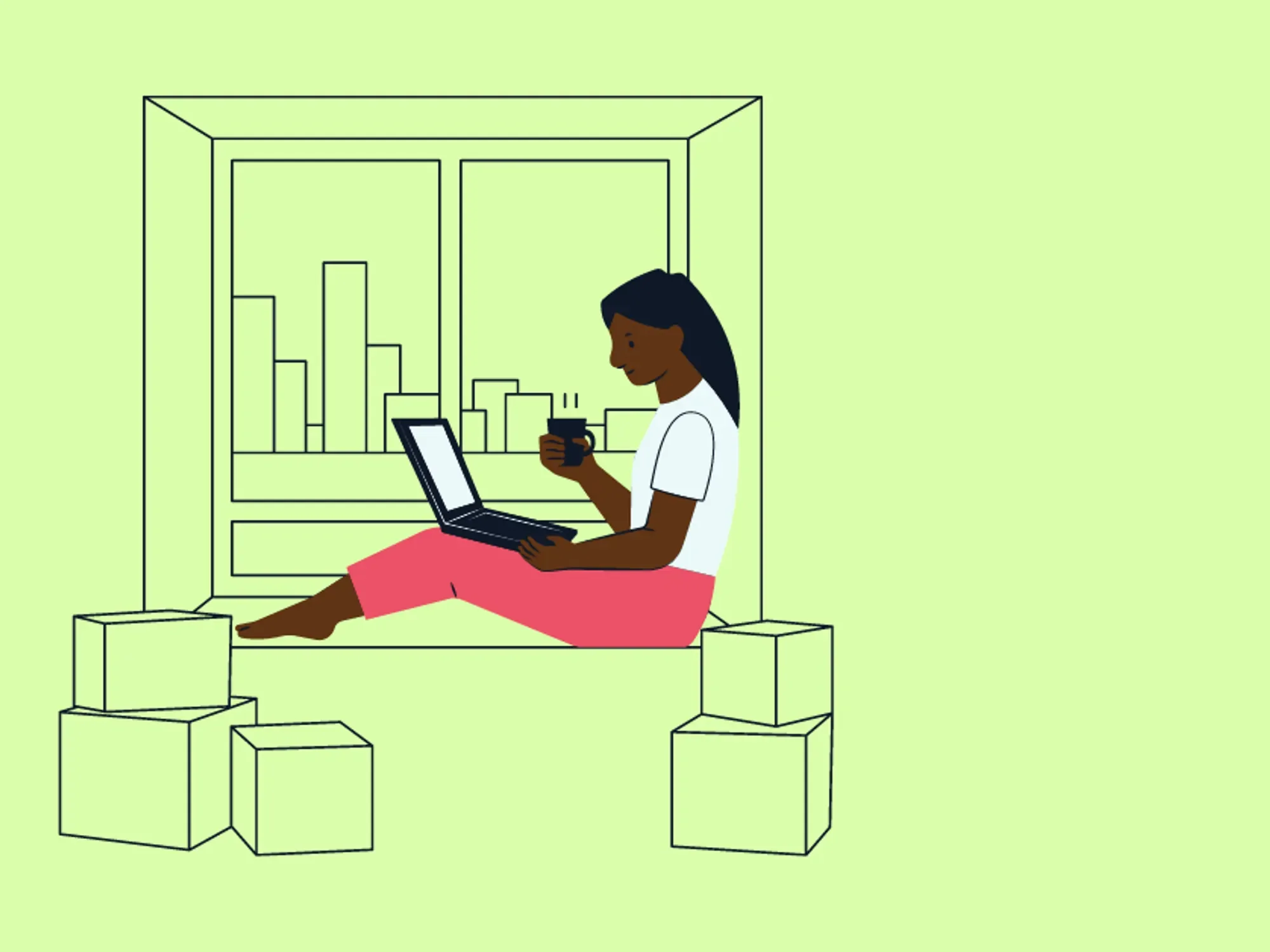
A woman sits in front of a high up window with a coffee during an online appointment.
Find a private, quiet space for sessions
Test your internet connection beforehand
Use headphones for added privacy
Treat the session time as you would an in-person appointment
Taking the First Step
Starting therapy can feel intimidating, but online therapy makes support more accessible than ever. With the right therapist and a little preparation, virtual counseling can provide meaningful guidance, tools for coping, and a space where you feel heard and supported—no matter where you are.
-Ciera Canaday, LCSW and Clinical Director