
What Is Child Counseling and When Does a Child Need It?
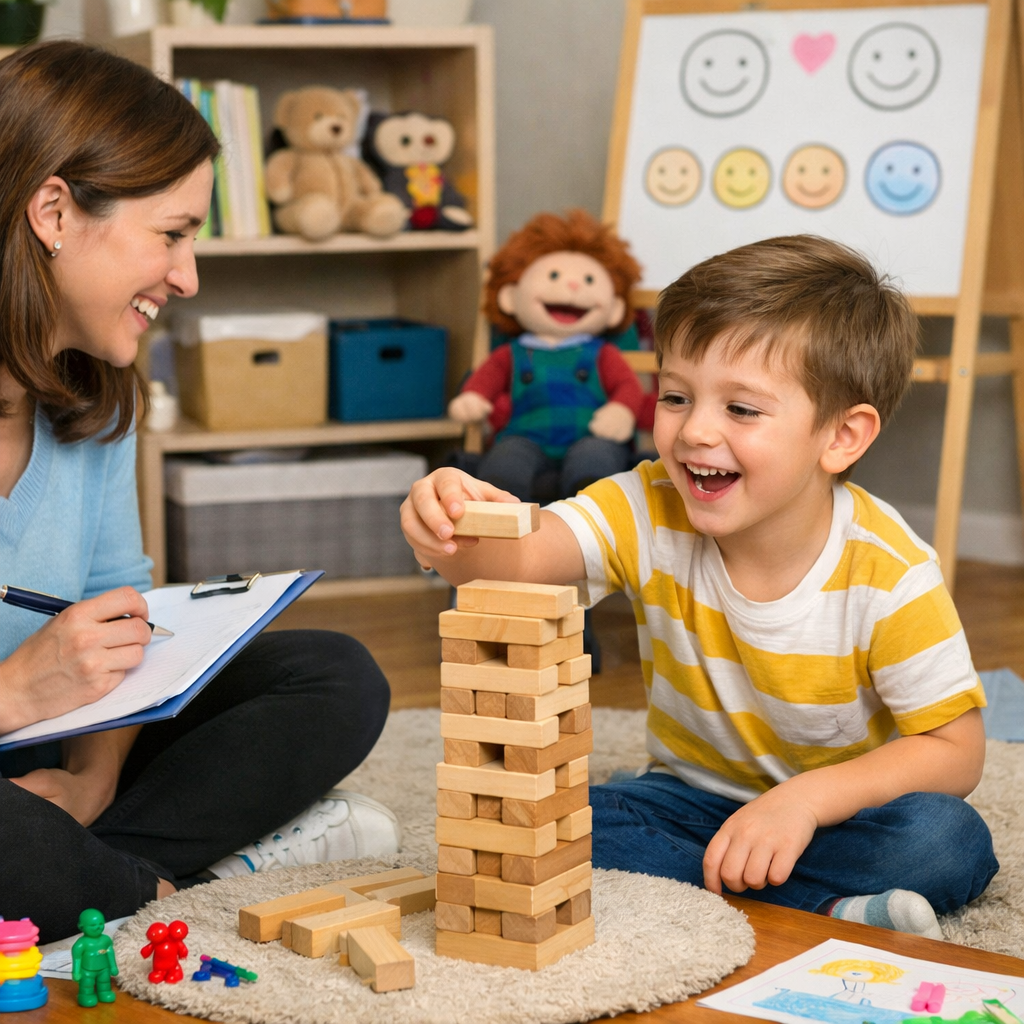
Child counseling is a specialized form of therapy designed to help children understand and manage their emotions, behaviors, and experiences in a healthy way. Unlike adult therapy, it often uses age-appropriate methods such as play, storytelling, drawing, and interactive activities to help children express what they may not yet have the words to say.
At its core, child counseling provides a safe, supportive environment where kids can explore their feelings without fear of judgment. A trained counselor works with the child to identify challenges, build coping skills, and improve emotional well-being. In many cases, parents or caregivers are also involved to ensure that progress continues at home.
What Does Child Counseling Help With?
Children, like adults, face a wide range of emotional and psychological challenges. However, they often lack the tools to process these experiences on their own. Counseling can help with:
Anxiety, fears, and excessive worry
Behavioral issues such as aggression or defiance
Difficulty adjusting to major life changes (divorce, moving, loss)
Social struggles, including making or keeping friends
Academic stress or school refusal
Trauma or grief
By addressing these issues early, counseling can prevent them from developing into more serious problems later in life.
Signs a Child May Need Counseling
It’s not always obvious when a child needs professional support. Some behaviors may seem like typical phases, but persistent or intense changes can signal something deeper. Here are some signs to watch for:
Sudden mood swings or withdrawal from family and friends
Changes in sleep or eating habits
Declining performance in school
Frequent tantrums or emotional outbursts
Loss of interest in activities they once enjoyed
Excessive fear, sadness, or irritability
If these behaviors last for several weeks or begin to interfere with daily life, it may be time to consider counseling.
When Should Parents Seek Help?
There’s no “perfect” moment to start counseling—earlier is often better. Many parents wait until problems escalate, but early intervention can make a significant difference. If you find yourself constantly worried about your child’s emotional state, or if your usual parenting strategies aren’t working, seeking professional guidance is a practical next step.
It’s also important to trust your instincts. Parents often notice subtle changes before anyone else does. Even if the issue seems small, a counselor can provide clarity and reassurance.
How Counseling Supports Growth
Child counseling isn’t just about solving problems—it’s also about building skills. Children learn how to identify emotions, communicate effectively, and cope with challenges in healthy ways. These skills can benefit them well into adulthood, improving relationships, confidence, and resilience.
In many cases, just having a neutral, understanding adult to talk to can make a powerful difference. Counseling helps children feel seen, heard, and supported during times when they may feel confused or overwhelmed.
Final Thoughts
Every child experiences ups and downs, but they don’t have to navigate difficult emotions alone. Child counseling offers a path toward understanding, healing, and growth. Recognizing when a child needs help—and taking action—can be one of the most impactful decisions a parent or caregiver makes.
-Ciera Canaday, LCSW and Clinical Director